Domain blockfloete-lernen.de kaufen?
Wir ziehen mit dem Projekt
blockfloete-lernen.de um.
Sind Sie am Kauf der Domain
blockfloete-lernen.de interessiert?
domain@kv-gmbh.de · 0541-91531010
Domain blockfloete-lernen.de kaufen?
Sollten Schülerinnen im Musikunterricht Noten lernen?
Ja, Schülerinnen sollten im Musikunterricht Noten lernen, da dies eine grundlegende Fähigkeit ist, um Musik zu verstehen und zu spielen. Notenlesen ermöglicht es den Schülerinnen, Musikstücke zu interpretieren und selbständig zu üben. Es ist auch wichtig für die Kommunikation und das Zusammenspiel mit anderen Musikern. **
Travelling or traveling?
Both "travelling" and "traveling" are correct spellings of the word, but they are used in different regions. "Travelling" is more commonly used in British English, while "traveling" is more commonly used in American English. **


Ähnliche Suchbegriffe für -or
Top-Angebote
Produkte zum Begriff -or:
-
Beutel, Silvia-Iris: Lernen ohne NotenLernen ohne Noten , Alternative Konzepte der Leistungsbeurteilung , Frontscheinwerfer > Lichter & Leuchten , Auflage: 2., überarbeitete Auflage, Erscheinungsjahr: 20240930, Produktform: Kartoniert, Autoren: Beutel, Silvia-Iris~Pant, Hans Anand, Auflage: 24002, Auflage/Ausgabe: 2., überarbeitete Auflage, Seitenzahl/Blattzahl: 262, Abbildungen: 25 Abbildungen, 4 Tabellen, Themenüberschrift: EDUCATION / Teaching Methods & Materials / General, Keyword: Leistung; Schule; Unterricht, Fachschema: Didaktik~Unterricht / Didaktik~Pädagogik / Schule~Bildungspolitik~Politik / Bildung, Fachkategorie: Didaktische Kompetenz und Lehrmethoden~Bildungsstrategien und -politik, Warengruppe: HC/Didaktik/Methodik/Schulpädagogik/Fachdidaktik, UNSPSC: 49019900, Warenverzeichnis für die Außenhandelsstatistik: 49019900, Länge: 203, Breite: 140, Höhe: 12, Gewicht: 349, Produktform: Kartoniert, Genre: Sozialwissenschaften/Recht/Wirtschaft,36,00 €*Versand: 0,00 €Sichere Weiterleitung zum Anbieter
-
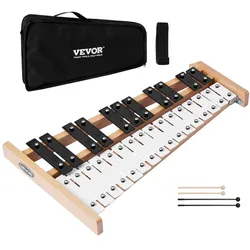
VEVOR Glockenspiel, 27 Noten, professionelles Xylophon-Schlaginstrument, mit SPCC-Klappen & Metalltasten, inklusive 4 Schlägeln, Tragetasche, Musikinstrument für Anfänger, MusikunterrichtVEVOR Glockenspiel, 27 Noten, professionelles Xylophon-Schlaginstrument, mit SPCC-Klappen & Metalltasten, inklusive 4 Schlägeln, Tragetasche, Musikinstrument für Anfänger, Musikunterricht Glockenspiel-Xylophon-Set mit 27 Tönen Professionelles Tuning Erstklassige Handwerkskunst Ideale Wahl Zwei Arten von Schlägeln Komplettes Zubehör Altersempfehlung: ab 4 Jahren, Anzahl der Notizen: 27, Tonumfang: G2–A5, Hauptmaterial: Kohlenstoffarme Stahllegierung (SPCC),Artikelmodellnummer: KS-2739,80 €*Versand: 0,00 €Sichere Weiterleitung zum Anbieter


-
Cake or fake?
It depends on the context. If you are asking about a choice between eating cake or something that is not real, then cake would be the preferred option. However, if you are asking about the authenticity of something, then fake would imply that it is not genuine or real. **
-
Do or make?
The choice between "do" and "make" depends on the context and the specific action being referred to. "Do" is generally used for activities or actions that involve performing or carrying out something, while "make" is used for creating or producing something tangible. For example, you would say "do your homework" but "make a cake." **
-
Will or gonna?
"Will" and "gonna" are both used to express future actions, but there are slight differences in their usage. "Will" is more formal and is used in more formal situations, while "gonna" is a more informal and colloquial way of expressing future actions. **
-
Doesn't or don't?
The correct form to use depends on the subject of the sentence. "Doesn't" is used with singular subjects, while "don't" is used with plural subjects. For example, "He doesn't like coffee" (singular subject) and "They don't like coffee" (plural subject). **
Do or does?
The choice between "do" and "does" depends on the subject of the sentence. "Do" is used with plural subjects and "does" is used with singular subjects. For example, "They do their homework" and "She does her homework." **
Anyway or anyways?
Both "anyway" and "anyways" are commonly used in spoken English to mean the same thing. However, "anyway" is more widely accepted and considered to be the standard form. "Anyways" is often considered to be more informal or colloquial. **
Top-Angebote
Produkte zum Begriff -or:
-
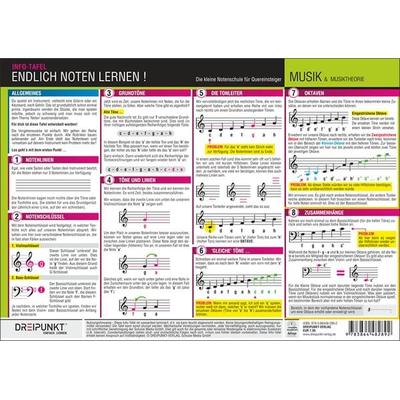
Persen Verlag Tonleiter, Noten & NotenschlüsselSelbst zu singen oder ein Instrument zu spielen, macht Spaß! Doch wie bringen Sie Ihren Schülern alles über Tonleiter, Noten und Notenschlüssel bei? Diese Unterrichtseinheit bietet Ihnen abwechslungsreiche Übungen und Materialien, die die Notenlehre spielerisch vermitteln und den Schülern einen leichten Einstieg verschaffen. Dank vieler praktischer Tipps und Umsetzungshilfen gelingt Ihnen so ein kompetenzorientierter Musikunterricht ohne viel Vorbereitungsaufwand!6,99 €*Versand: 0,00 €Sichere Weiterleitung zum Anbieter
-
Flöte lernenFlöte lernen von Trevor Wye ist eine bewährte Querflötenschule für Einsteiger. Der methodische Aufbau, abwechslungsreiche Duette und optionale Klavierbegleitungen fördern von Beginn an musikalisches Verständnis, einen schönen Ton und die Freude am gemeinsamen Musizieren.18,00 €*Versand: 4,00 €Sichere Weiterleitung zum Anbieter
-
Beutel, Silvia-Iris: Lernen ohne NotenLernen ohne Noten , Alternative Konzepte der Leistungsbeurteilung , Frontscheinwerfer > Lichter & Leuchten , Auflage: 2., überarbeitete Auflage, Erscheinungsjahr: 20240930, Produktform: Kartoniert, Autoren: Beutel, Silvia-Iris~Pant, Hans Anand, Auflage: 24002, Auflage/Ausgabe: 2., überarbeitete Auflage, Seitenzahl/Blattzahl: 262, Abbildungen: 25 Abbildungen, 4 Tabellen, Themenüberschrift: EDUCATION / Teaching Methods & Materials / General, Keyword: Leistung; Schule; Unterricht, Fachschema: Didaktik~Unterricht / Didaktik~Pädagogik / Schule~Bildungspolitik~Politik / Bildung, Fachkategorie: Didaktische Kompetenz und Lehrmethoden~Bildungsstrategien und -politik, Warengruppe: HC/Didaktik/Methodik/Schulpädagogik/Fachdidaktik, UNSPSC: 49019900, Warenverzeichnis für die Außenhandelsstatistik: 49019900, Länge: 203, Breite: 140, Höhe: 12, Gewicht: 349, Produktform: Kartoniert, Genre: Sozialwissenschaften/Recht/Wirtschaft,36,00 €*Versand: 0,00 €Sichere Weiterleitung zum Anbieter
-
Sollten Schülerinnen im Musikunterricht Noten lernen?
Ja, Schülerinnen sollten im Musikunterricht Noten lernen, da dies eine grundlegende Fähigkeit ist, um Musik zu verstehen und zu spielen. Notenlesen ermöglicht es den Schülerinnen, Musikstücke zu interpretieren und selbständig zu üben. Es ist auch wichtig für die Kommunikation und das Zusammenspiel mit anderen Musikern. **
-
Travelling or traveling?
Both "travelling" and "traveling" are correct spellings of the word, but they are used in different regions. "Travelling" is more commonly used in British English, while "traveling" is more commonly used in American English. **
-
Cake or fake?
It depends on the context. If you are asking about a choice between eating cake or something that is not real, then cake would be the preferred option. However, if you are asking about the authenticity of something, then fake would imply that it is not genuine or real. **
-
Do or make?
The choice between "do" and "make" depends on the context and the specific action being referred to. "Do" is generally used for activities or actions that involve performing or carrying out something, while "make" is used for creating or producing something tangible. For example, you would say "do your homework" but "make a cake." **
Ähnliche Suchbegriffe für -or
-
VEVOR Glockenspiel, 27 Noten, professionelles Xylophon-Schlaginstrument, mit SPCC-Klappen & Metalltasten, inklusive 4 Schlägeln, Tragetasche, Musikinstrument für Anfänger, MusikunterrichtVEVOR Glockenspiel, 27 Noten, professionelles Xylophon-Schlaginstrument, mit SPCC-Klappen & Metalltasten, inklusive 4 Schlägeln, Tragetasche, Musikinstrument für Anfänger, Musikunterricht Glockenspiel-Xylophon-Set mit 27 Tönen Professionelles Tuning Erstklassige Handwerkskunst Ideale Wahl Zwei Arten von Schlägeln Komplettes Zubehör Altersempfehlung: ab 4 Jahren, Anzahl der Notizen: 27, Tonumfang: G2–A5, Hauptmaterial: Kohlenstoffarme Stahllegierung (SPCC),Artikelmodellnummer: KS-2739,80 €*Versand: 0,00 €Sichere Weiterleitung zum Anbieter
-
Will or gonna?
"Will" and "gonna" are both used to express future actions, but there are slight differences in their usage. "Will" is more formal and is used in more formal situations, while "gonna" is a more informal and colloquial way of expressing future actions. **
-
Doesn't or don't?
The correct form to use depends on the subject of the sentence. "Doesn't" is used with singular subjects, while "don't" is used with plural subjects. For example, "He doesn't like coffee" (singular subject) and "They don't like coffee" (plural subject). **
-
Do or does?
The choice between "do" and "does" depends on the subject of the sentence. "Do" is used with plural subjects and "does" is used with singular subjects. For example, "They do their homework" and "She does her homework." **
-
Anyway or anyways?
Both "anyway" and "anyways" are commonly used in spoken English to mean the same thing. However, "anyway" is more widely accepted and considered to be the standard form. "Anyways" is often considered to be more informal or colloquial. **
* Alle Preise verstehen sich inklusive der gesetzlichen Mehrwertsteuer und ggf. zuzüglich Versandkosten. Die Angebotsinformationen basieren auf den Angaben des jeweiligen Shops und werden über automatisierte Prozesse aktualisiert. Eine Aktualisierung in Echtzeit findet nicht statt, so dass es im Einzelfall zu Abweichungen kommen kann. ** Hinweis: Teile dieses Inhalts wurden von KI erstellt.